


Chimpanzee
Scientific Name
Pan troglodytes
Conservation Status: Endangered
Very high risk of extinction in the wild.
Diet
Omnivorous frugivores. Diet consists of fruits, seeds, nuts, roots, flowers, insects. They are opportunistic meat eaters, sometimes hunting smaller primates and other small mammals.
Habitat in the Wild
Forests and savannas
Quick Fact
Chimpanzees are intelligent social animals known for using tools like sticks and leaves to gather food and water.
Highly Social & Communicative
The most widely distributed of all the great apes species, chimpanzees are found in the forests and savannas of central Africa. They have opposable thumbs and toes and can manipulate objects with both their hands and feet. Chimps are also well known for their use of tools – using stones to crack nuts, fishing for ants or termites, and sharpening sticks to hunt with.
Chimpanzee troops can be made up of anywhere from 5 to 80 individuals, but are dominated by an alpha male. Males will form hunting parties and patrol groups. Females usually form nursery groups to care for the young. They will all forage together for most of their food, including nuts, fruits seeds, insects and leaves.
Highly social and complex, chimps communicate using hand gestures, body posture, facial expressions and sounds. Vocalizations are very important and they have about a dozen different sounds that they can put together in “sentences.” The most common call is the pant hoot, which can be heard over a mile away and communicates information over long distances to members of the troop. They will grunt when waiting for food or to communicate to the others that food has been found. Chimps make threat barks to warn others to back off and they alarm call to alert the entire troop to a threat.
CONSERVATION FACT #1
Numbers Are Decreasing
CONSERVATION FACT #2
Kidnapped for Pets & Entertainment
CONSERVATION FACT #3
Chimpanzee SAFE Program
Meet Our Chimpanzees
NAME
AGE
BIRTHDAY
March 1, 1976
PERSONALITY
Daisy was a wild-born chimp who spent the first part of her life as part of the entertainment industry before finding her way to zoos. She lived in several facilities before arriving in Knoxville in 2005. She is the shortest of the chimps with a gray beard and a salt and pepper coat. Despite her age, she is still very playful and feisty, spending her days as one of Stevie’s aunts.
what can you do?
Actions You Can Take To Support Chimpanzees
Education & Awareness
Support ethical tourism. Report social media accounts that promote primate ownership. Many companies have stopped using chimps in their advertising due to public outcry and have pledged to never use great apes in their work in the future.
Support the Zoo
Just by purchasing a ticket or membership to Zoo Knoxville, you are helping save chimps by supporting our commitment to Chimp SAFE. Every dollar spent at the zoo goes back to supporting our mission of conservation and animal care.
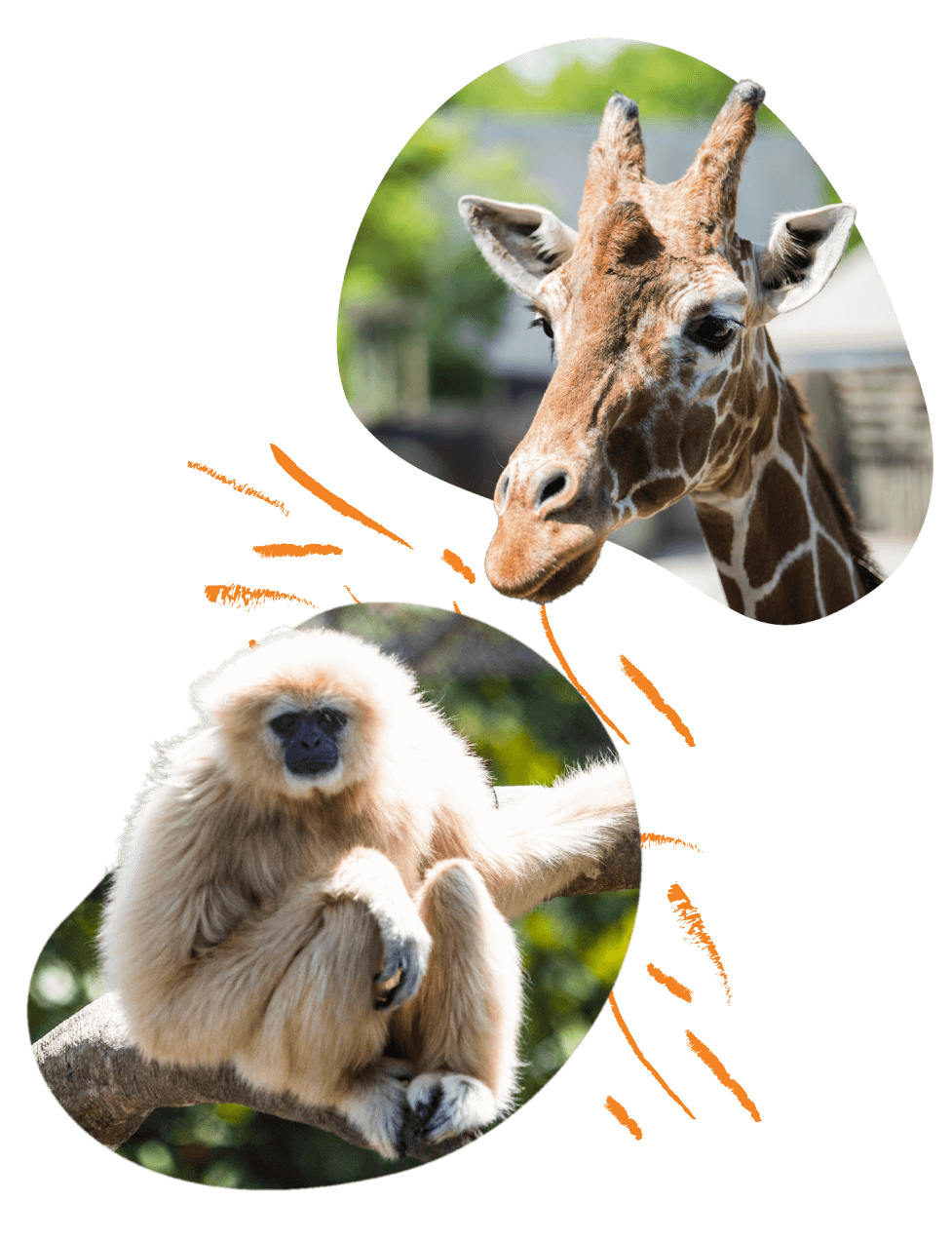
Animal Encounters
Step into the wild world of our gorilla and chimpanzee families! Hang out with our Great Ape caretakers and get the inside scoop on these fascinating family dynamics. Plus, learn how recycling your electronics can be a game-changer for their habitat!
View Schedule