


Giraffe
Scientific Name
Giraffa camelopardalis
Conservation Status: Vulnerable
High risk of extinction in the wild.
Diet
Browsers, meaning they eat the leaves, stems, flowers, and fruits of trees. In human care, we provide as much browse as possible. We supplement with alfalfa hay and a concentrated pellet that contains vitamins and minerals.
Habitat in the Wild
Forest, Savanna, Shrubland
Quick Fact
Giraffe populations in the wild have faced a “silent extinction,” with fewer giraffes than elephants in Africa.
The Tallest Land Mammals
Giraffes are the tallest land mammal, with a neck as long as 6 feet. They can run up to 35 mph.
Even though their necks are 6 feet long, giraffes still only have seven vertebrae - the same number of bones as a human neck! Drinking water is difficult for giraffes because their necks are too short to reach the ground, so they have to awkwardly shuffle and spread their front legs to reach the ground for a drink of water. Fortunately, giraffes get most of their water from the plants they eat and only need to drink once every few days.
Giraffes are the world’s largest ungulates (hoofed mammals), and eat tree leaves, mostly acacia leaves. A favorite giraffe fact is that they are an important pollinator in Africa. As they wander around feeding from the tops of trees, they transfer pollen on their muzzles from the flowers of one tree to another.
Fun Facts:
- A group of giraffes is called a “tower.”
- The horn-like protrusions on their heads are called “ossicones.” They are not made of bone but of ossified cartilage that is fused to the skull.
- A giraffe’s tongue is a dark color to help prevent it from getting sunburnt.
CONSERVATION FACT #1
Threats to Giraffes
CONSERVATION FACT #2
Species Survival Plan
Meet Our Giraffes
NAME
AGE
BIRTHDAY
December 25, 2015
PERSONALITY
Mokolo is a 10-year-old male giraffe who joined Zoo Knoxville’s Grasslands Africa habitat from Elmwood Park Zoo. He arrived through the Association of Zoos and Aquariums’ Species Survival Plan (SSP), which helps maintain healthy, genetically diverse populations in accredited zoos. Mokolo is settling in with herd mates Frances and JJ and may help contribute to future generations of giraffes.
what can you do?
Actions You Can Take To Support Giraffes
Awareness
Educate and spread the word. Teach people about giraffes and their conservation needs.
Sustainable Tourism
Support sustainable eco-tourism: visit the places where giraffes live in the wild and help support local economies.
Support Direct Efforts
Support giraffe research and conservation projects: fundraise, donate, or volunteer.
Support the Zoo
Support Zoo Knoxville by purchasing tickets or donating, or ask your local zoo if they have a giraffe conservation program you can support.
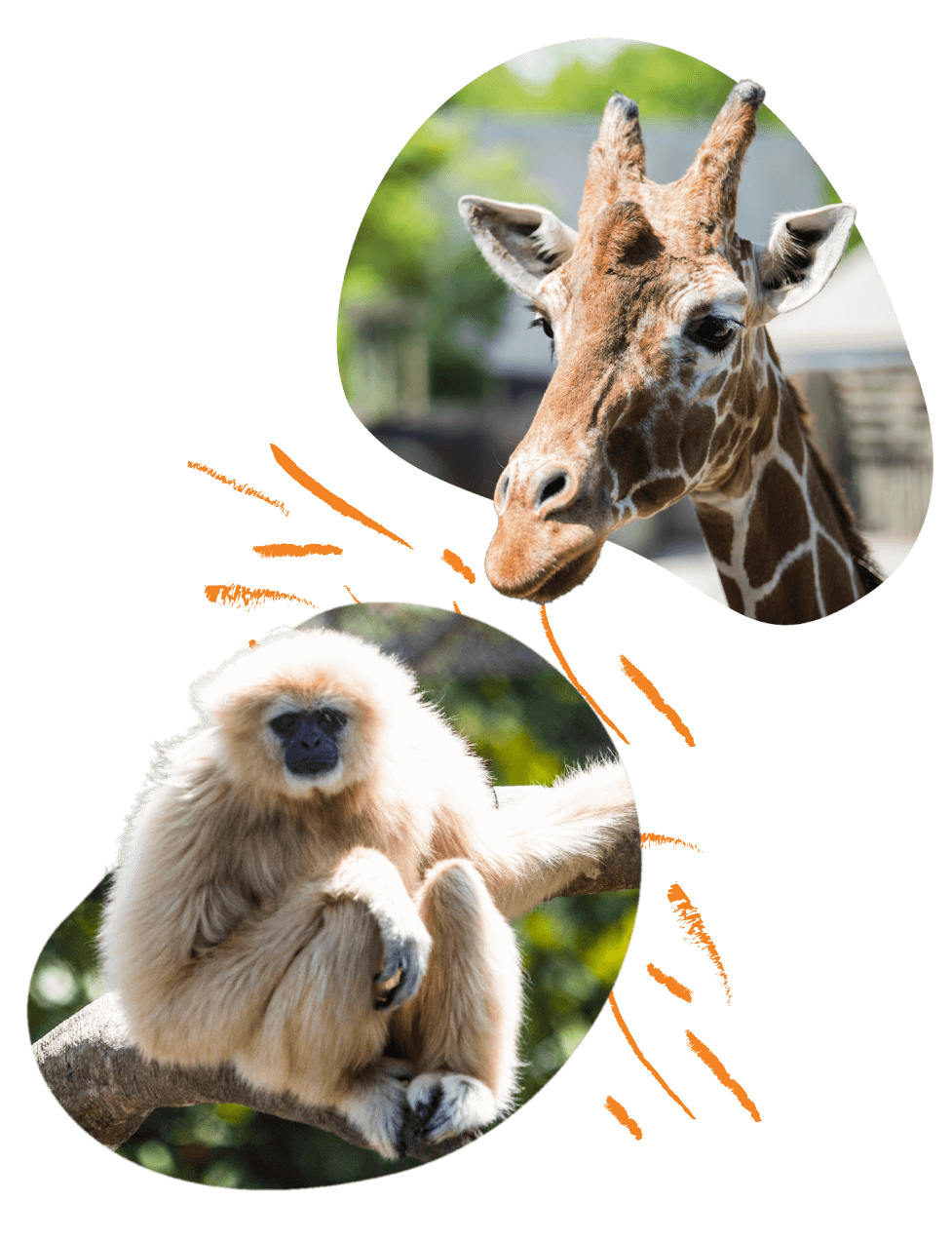
Want To Feed A Giraffe?
Get eye-to-eye with our tallest residents! This paid encounter gives guests the chance to hand-feed a giraffe and watch their long tongues gently grab a snack right from your hand. It’s a fun, up-close encounter perfect for all ages.
See Available Feeding Times